Save 50% on a 3-month Digiday+ membership. Ends Dec 5.
How publishers are using back-to-school fever to drive commerce
As publishers experiment more with commerce, some are taking advantage of the back-to-school shopping season. American consumers are expected to spend $83.6 billion during this back-to-school season, up 10 percent from last year, according to the National Retail Federation commissioned. That’s below the $655 billion spent on Black Friday, per the National Retail Federation but more than the $1 billion spent on Prime Day or the $3.5 billion spent on Cyber Monday last year, two digital shopping events publishers have started taking more seriously.
The number of publishers doing back-to-school posts declined this year to 253 from 268, but the clicks they drove grew slightly, from 39,399 to 40,325, according to Skimlinks. Here’s how a number of commerce-curious publishers are approaching back-to-school.
Start early
Most retailers’ back-to-school sales begin in late July or August. But shoppers start thinking about back-to-school sales well before that, and publishers that want to win in Google search have to get their posts up early.
Hearst’s Best Products, for example, began posting back-to-school posts as early as June. “We started planning for back-to-school before most schools were even out,” said Patrick Varone, vp of audience development and Best Products at Hearst Digital Media. “School-related searches online actually start in June and purchases steadily increase in early to mid-July, so we were able to service them with the most up-to-date, popular, on-trend and competitively priced products that are currently in stock.”
Recycle
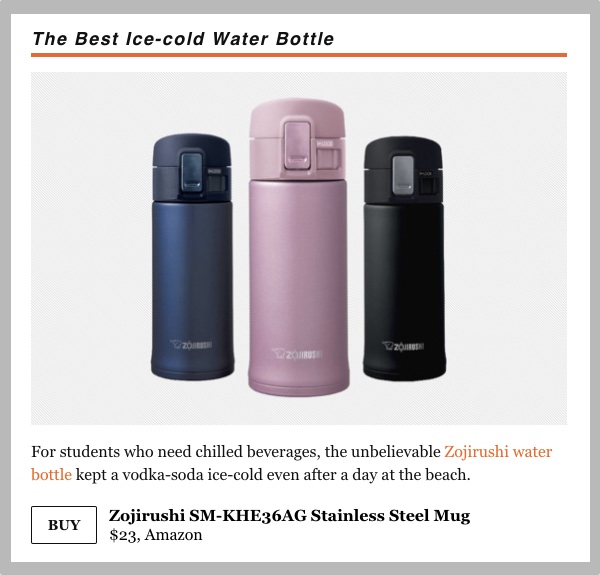
Even the mythical creatures of Generation Z need bedsheets, portable speakers and jeans, so New York Media’s The Strategist packaged commerce posts it had already written into the back-to-school hub it unveiled in late July.
While The Strategist has over a dozen back-to-school commerce posts planned (it’s published 10 already), more than two-thirds of the posts in the back-to-school hub were published weeks, or even months, ago.
Ad position: web_incontent_pos1
Try new platforms
Instagram Stories has been a popular place to experiment for commerce posts. Teen Vogue, for example, has posted shoppable back-to-school Instagram Stories all week, offering deals on items from humidifiers to tampons.

Make personality-based content
Like the rest of its content, BuzzFeed’s commerce content is often identity-oriented. Its back-to-school coverage is no different, as evidenced by posts like “23 School Supplies For People Who Pretty Much Live in the Library” or “21 Backpacks All High School Archetypes Will Love“. In the coming weeks, BuzzFeed will roll out identity-based posts for students as well as parents and teachers.


More in Media

What publishers are wishing for this holiday season: End AI scraping and determine AI-powered audience value
Publishers want a fair, structured, regulated AI environment and they also want to define what the next decade of audience metrics looks like.

Digiday+ Research Subscription Index 2025: Subscription strategies from Bloomberg, The New York Times, Vox and others
Digiday’s third annual Subscription Index examines and measures publishers’ subscription strategies to identify common approaches and key tactics among Bloomberg, The New York Times, Vox and others.

From lawsuits to lobbying: How publishers are fighting AI
We may be closing out 2025, but publishers aren’t retreating from the battle of AI search — some are escalating it, and they expect the fight to stretch deep into 2026.
Ad position: web_bfu