Save 50% on a 3-month Digiday+ membership. Ends Dec 5.
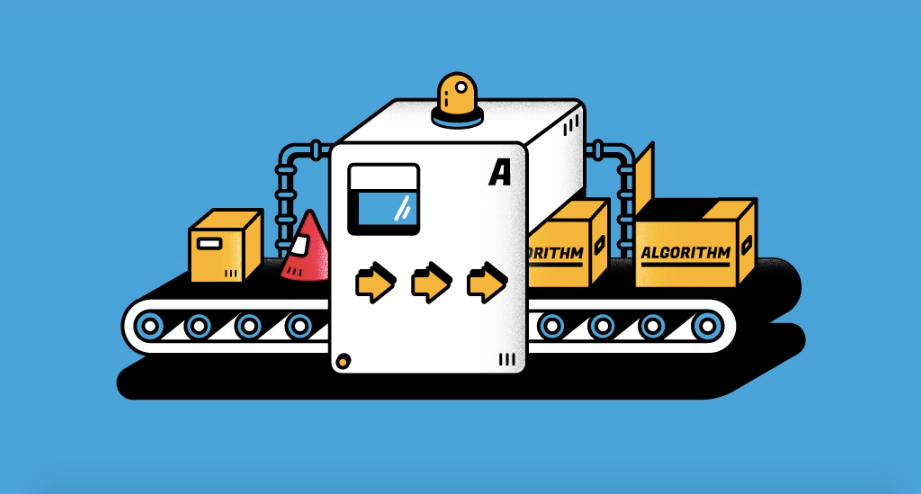
This article is a WTF explainer, in which we break down media and marketing’s most confusing terms. More from the series →
Advertisers have been adopting data clean rooms, in part, as a means of equipping themselves for a future when they cannot rely on the third-party cookie for ad targeting. The problem is, clean room-based advertising at scale is a challenge at the moment.
“If I think about what’s required in the industry right now, there is not a scalable [real-time bidding] solution yet for utilizing [personally identifiable information] in a privacy-safe way,” said Therran Oliphant, svp and head of data and technology for North America at EssenceMediacom.
Enter IAB Tech Lab’s Open Private Join and Activation. The specification offers up a standardized process for matching an advertiser’s and a publisher’s first-party data sets — including in cases where they use different data clean room providers — and making the match results available for ad targeting while mitigating access to the underlying first-party data.
Sounds simple enough, right? Maybe. But the matching and activating process — or processes — is pretty complex, as the video below breaks down with help from Oliphant, Publicis Groupe’s Jess Simpson and Optable’s Bosko Milekic, one of OPJA’s authors.


More in Marketing

Ulta, Best Buy and Adidas dominate AI holiday shopping mentions
The brands that are seeing the biggest boost from this shift in consumer behavior are some of the biggest retailers.
U.K. retailer Boots leads brand efforts to invest in ad creative’s data layer
For media dollars to make an impact, brands need ad creative that actually hits. More CMOs are investing in pre- and post-flight measurement.

‘AI is permeating everything we do’: How Guitar Center developed 2 AI tools this year
This summer, the company launched a chatbot called Rig Advisor to help customers find the right instruments and products.
Ad position: web_bfu