Save 50% on a 3-month Digiday+ membership. Ends Dec 5.
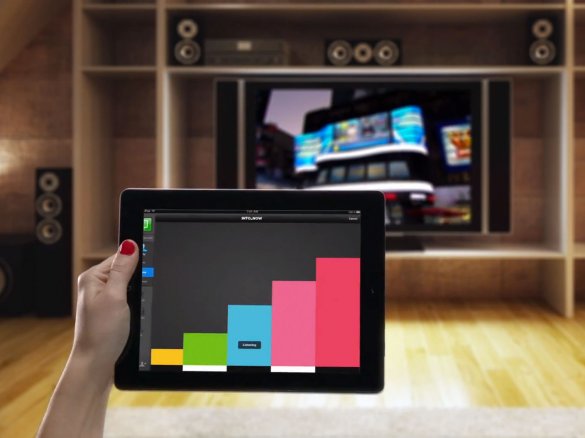
Much was made of the second-screen activity around the Super Bowl and its commercial breaks this year, with major brands experimenting with app integrations such as Shazam and IntoNow. But according to in-app analytics firm Flurry, the second screen disrupts TV audiences more than it complements the ads, diverting users’ attention away from both ads and content if they’re failing to hold consumers’ attention. That assertion suggests marketers might be better off trying to reach audiences that are less engaged with the “first screen” rather than those who are more engaged.
Flurry believes that the second screen is still largely more disruptive than complementary. If a consumer is not paying attention to the television program in front of her, she is likely using an application to post social updates or play games. For example, if a Super Bowl ad isn’t holding her interest, playing another round of Words with Friends is a likely activity.
Read the full post on Flurry’s Blog.
More in Media

What publishers are wishing for this holiday season: End AI scraping and determine AI-powered audience value
Publishers want a fair, structured, regulated AI environment and they also want to define what the next decade of audience metrics looks like.

Digiday+ Research Subscription Index 2025: Subscription strategies from Bloomberg, The New York Times, Vox and others
Digiday’s third annual Subscription Index examines and measures publishers’ subscription strategies to identify common approaches and key tactics among Bloomberg, The New York Times, Vox and others.

From lawsuits to lobbying: How publishers are fighting AI
We may be closing out 2025, but publishers aren’t retreating from the battle of AI search — some are escalating it, and they expect the fight to stretch deep into 2026.
Ad position: web_bfu