Save 50% on a 3-month Digiday+ membership. Ends Dec 5.
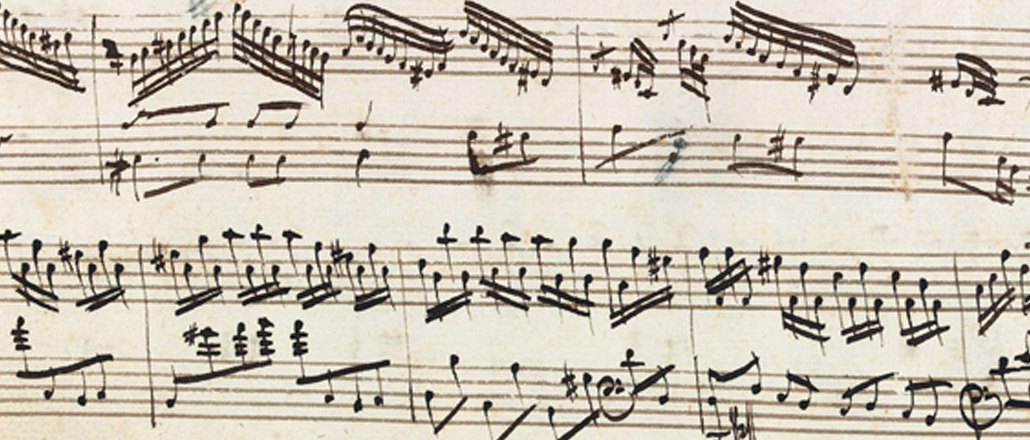
This is our video series Future Craft, where we profile creatives about how they’re adapting their craft and modernizing their technique for our evolving digital world.
Composer and producer Anthony Barfield has an entire orchestra at the tip of his fingers. With a laptop and the tap of mouse, he can cue up violins, trumpets, oboes or bassoons. With a few more clicks and movements on the keyboard, he can compose a entire musical score for an ensemble. Barfield, a graduate of The Juilliard School, has perfect pitch and plays the piano, but he admits he can’t imagine composing music without computer software like Finale or Logic Pro X.
“Those composers back then [like Mozart or Beethoven] were geniuses. They could hear every single instrument in their heads,” said Barfield. “Nowadays we don’t necessarily have to do that because we have these amazing instrumental libraries.”
Barfield says advances in music-composition software have given him creative freedom to write for instruments he doesn’t know how to physically play. Watch the video to also find out how music composition has evolved from candlelight and quill pens to software and laptops.
More in Media

What publishers are wishing for this holiday season: End AI scraping and determine AI-powered audience value
Publishers want a fair, structured, regulated AI environment and they also want to define what the next decade of audience metrics looks like.

Digiday+ Research Subscription Index 2025: Subscription strategies from Bloomberg, The New York Times, Vox and others
Digiday’s third annual Subscription Index examines and measures publishers’ subscription strategies to identify common approaches and key tactics among Bloomberg, The New York Times, Vox and others.

From lawsuits to lobbying: How publishers are fighting AI
We may be closing out 2025, but publishers aren’t retreating from the battle of AI search — some are escalating it, and they expect the fight to stretch deep into 2026.
Ad position: web_bfu