Save 50% on a 3-month Digiday+ membership. Ends Dec 5.
If you live in the U.S., “social payments” is relegated to Venmo and its emoji-powered money transfers.
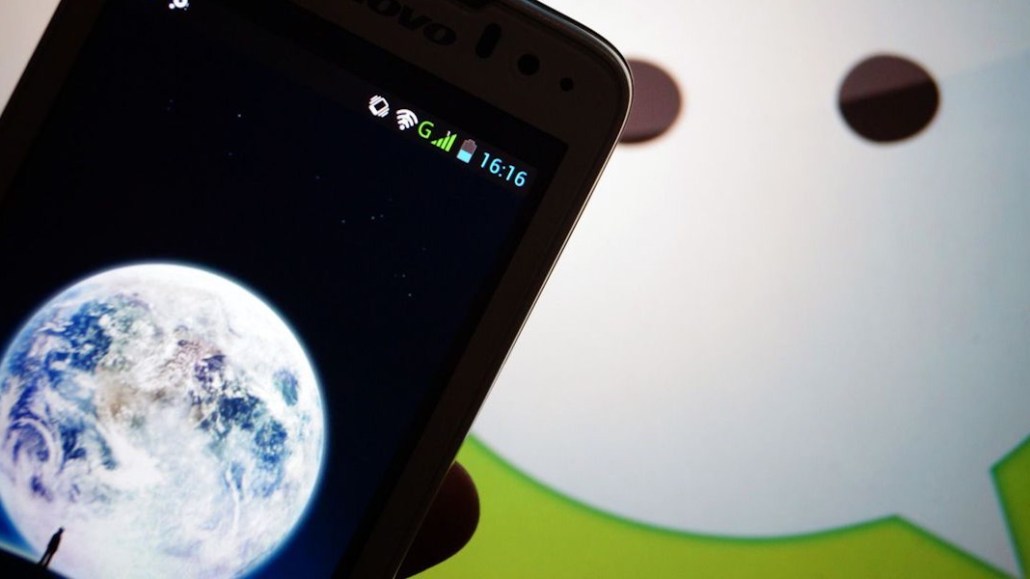
But compare that relatively thin offering to China’s WeChat, the do-everything messaging app that is the cornerstone of Chinese digital life. WeChat lets users execute peer-to-peer payments, top up their mobile phones, pay utility bills and book plane, train and movie tickets or book a karaoke session – to name just a few things. If China is any indication, social networks and messaging services could be killer apps for money transfer; WeChat is already leading that movement.
“WeChat is kind of a de facto operating system and has massive, massive usage,” said Sean Neville, cofounder and president of bitcoin wallet turned social payments app Circle. “There isn’t anything quite like that in the West.”
Just yet. But when WeChat, or a WeChat-like clone, finally hits the U.S., it’s going to look different. There’s more competition in the U.S., so there will probably be a few players as opposed to one “winner.” And although the U.S. payments system desperately needs an upgrade – sending payments is excruciatingly slow and expensive – it works well enough; how much U.S. customers benefit from paying in new ways with new technologies doesn’t yet outweigh trained behaviors that don’t want to change.
More in Marketing

Ulta, Best Buy and Adidas dominate AI holiday shopping mentions
The brands that are seeing the biggest boost from this shift in consumer behavior are some of the biggest retailers.
U.K. retailer Boots leads brand efforts to invest in ad creative’s data layer
For media dollars to make an impact, brands need ad creative that actually hits. More CMOs are investing in pre- and post-flight measurement.
Ad position: web_bfu