Save 50% on a 3-month Digiday+ membership. Ends Dec 5.
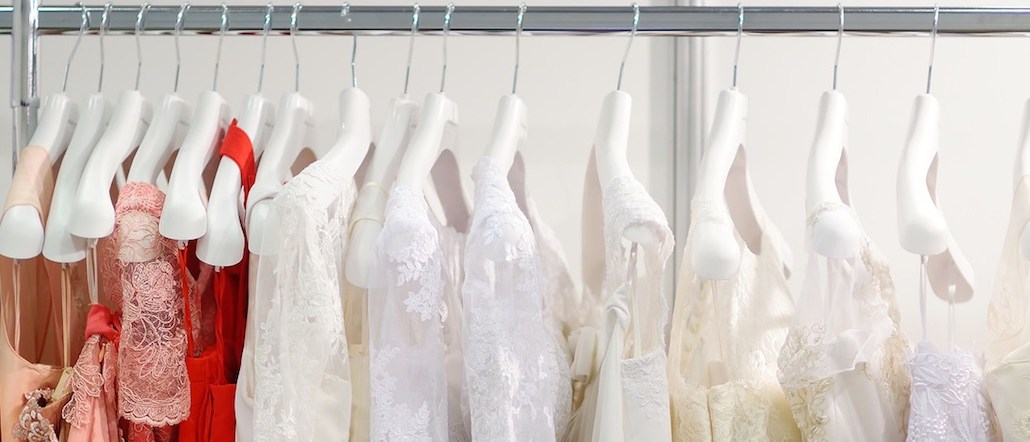
When shopping online for a Kate Spade dress, customers are prompted on the product page to “find their True Fit” below the drop-down list to a pick a size. After answering a few questions — height and weight, the name of a brand that typically fits well — True Fit returns the size that would most likely fit from Kate Spade’s offerings. It also pairs the match with a rating of how well the dress is expected to fit.
Kate Spade has integrated True Fit’s algorithm into its online store since May 2015, and Mary Beech, the brand’s evp and CMO, has said that in the time since, customer return rate has dropped and e-commerce sales have increased, both in the double digits, although the company does not break out specific figures. Beech said that the goal of the integration was to ensure customer confidence online. True Fit’s other retail customers include Nordstrom, Adidas, Topshop and Macy’s. Read the rest of this story at Glossy.co.
More in Marketing

Ulta, Best Buy and Adidas dominate AI holiday shopping mentions
The brands that are seeing the biggest boost from this shift in consumer behavior are some of the biggest retailers.
U.K. retailer Boots leads brand efforts to invest in ad creative’s data layer
For media dollars to make an impact, brands need ad creative that actually hits. More CMOs are investing in pre- and post-flight measurement.

‘AI is permeating everything we do’: How Guitar Center developed 2 AI tools this year
This summer, the company launched a chatbot called Rig Advisor to help customers find the right instruments and products.
Ad position: web_bfu