Save 50% on a 3-month Digiday+ membership. Ends Dec 5.
The creator of the most popular ad blocker has pulled it from the App Store
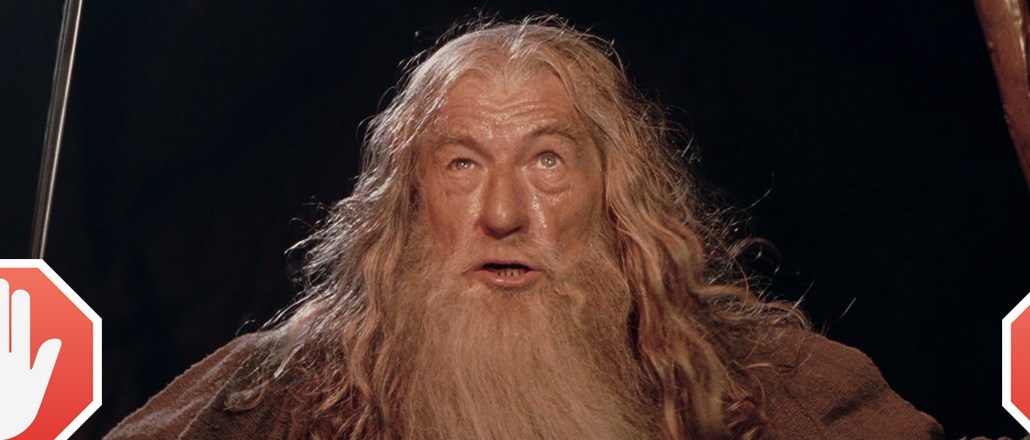
The most popular iOS ad blocker is pulling a Barry Sanders.
Yesterday was a big day for iOS 9’s early slate of ad blockers, which shot to the top of Apple’s paid app charts. Today, Peace, the most popular of those apps, has been taken down — all because of a little thing called ethics.
“Ad blockers come with an important asterisk: while they do benefit a ton of people in major ways, they also hurt some, including many who don’t deserve the hit,” said Peace creator Marco Arment in a post announcing the move. Arment sang a slightly different tune the day before, when he argued that users “shouldn’t feel guilty” about protecting themselves from the Web’s abuses.
Arment was met with backlash yesterday after people such as Apple blogger John Gruber complained that Peace blocked ads from ad network The Deck, whose units are widely considered to be well-designed and unobtrusive. Arment initially defended the move on the grounds that the app used a third-party block list from Ghostery that he didn’t have control over. He called the decision “uncomfortable” but said he wanted to be “consistent and fair.”
The move underscores the fact that while publishers and ad blockers like to see the ad blocking debate in black and white, the reality is a bit grayer.
The problem, as Arment — the co-founder of Tumblr and the creator of Instapaper — points out, is that most ad blockers look at all ads the same way. An obnoxious mobile banner is given the same treatment as a more tasteful native placement, and ad blockers only let users white list domains, not individual ad formats. In other words, ad blockers are an axe when what the industry really needs is a scalpel.
Publishers, too, like to condemn ad blockers as unethical. Many say that using an ad blocker while reading an article is theft. But ethicists disagree — publishers brought ad blocking upon themselves, and the way they did it wasn’t ethical either.
Ad position: web_incontent_pos1
Arment’s decision leaves a lot of money on the table. Peace, which ran for $2.99, was downloaded over 11,000 times on its first day. It was the most popular app in the App Store for around 36 hours.
Still, iOS users eager to rid their browsers of ads have no shortage of other options. The makers of Purify and Crystal, two other early popular iOS blockers, apparently haven’t yet faced the same ethical revelation that Peace’s creator has.
More in Media
What publishers are wishing for this holiday season: End AI scraping and determine AI-powered audience value
Publishers want a fair, structured, regulated AI environment and they also want to define what the next decade of audience metrics looks like.

Digiday+ Research Subscription Index 2025: Subscription strategies from Bloomberg, The New York Times, Vox and others
Digiday’s third annual Subscription Index examines and measures publishers’ subscription strategies to identify common approaches and key tactics among Bloomberg, The New York Times, Vox and others.

From lawsuits to lobbying: How publishers are fighting AI
We may be closing out 2025, but publishers aren’t retreating from the battle of AI search — some are escalating it, and they expect the fight to stretch deep into 2026.
Ad position: web_bfu