Save 50% on a 3-month Digiday+ membership. Ends Dec 5.
Now that Twitter’s branded emojis are everywhere, advertisers want to know if they work.
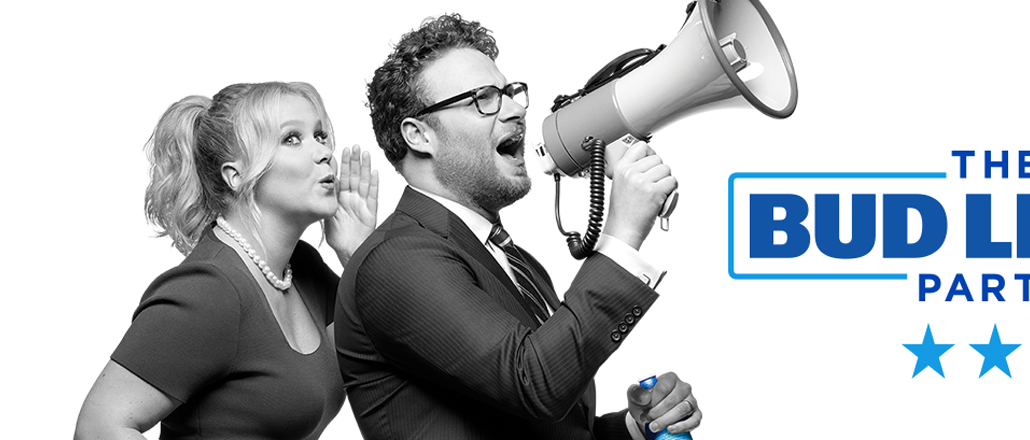
Twitter has sold advertisers more than a dozen custom emojis since they launched in September, and at least four are running in the Super Bowl, from brands including Bud Light and Pepsi. As million-dollar ad buys, measuring their success is important. Now, ad agencies say Twitter is providing clients with analytics that show how many times their emojis are used, mentioned and seen. But brands are leaning on Twitter to provide a lot more in helping them decipher a new method of communication.
“A lot of brands have tried custom emojis, and the moment has come to see if it’s working,” said Dennis Claus, director of mobile and social at R/GA. “There’s a lot of nuance to how people are using emojis.”
Twitter declined to comment for this story.
Twitter launched branded emojis last year with a Coca-Cola campaign, and the virtual marketing products have been nicknamed “hashflags.”
The idea of emoji measurements is not new as a number of social analytics companies have tried to crack the language. Emojis are used in 80 percent of teenagers’ social media posts, according to Justin Rezvani, CEO of TheAmplify, an influencer marketing platform that does emoji sentiment analysis.
“Emojis are giving us a little more insight into the emotion in conversations,” Rezvani said. “If you’re not measuring how words and emojis are used together, you’re missing half the conversation.”
Ad position: web_incontent_pos1
Other social listening companies are also trying to decode emojis. But it’s not as easy as it might seem, because context is everything. The sweating emoji — face with sweat drips — could mean stress, but it could also mean activity, Claus said.
“On the Web, sarcasm is hard enough to distinguish in written communication,” Claus said.
More in Media

What publishers are wishing for this holiday season: End AI scraping and determine AI-powered audience value
Publishers want a fair, structured, regulated AI environment and they also want to define what the next decade of audience metrics looks like.

Digiday+ Research Subscription Index 2025: Subscription strategies from Bloomberg, The New York Times, Vox and others
Digiday’s third annual Subscription Index examines and measures publishers’ subscription strategies to identify common approaches and key tactics among Bloomberg, The New York Times, Vox and others.

From lawsuits to lobbying: How publishers are fighting AI
We may be closing out 2025, but publishers aren’t retreating from the battle of AI search — some are escalating it, and they expect the fight to stretch deep into 2026.
Ad position: web_bfu