Save 50% on a 3-month Digiday+ membership. Ends Dec 5.
The social-media space has gone from extreme fragmentation to coalesce around a couple major players. Beyond Facebook, Twitter and LinkedIn, there simply aren’t that many that have scale. But that’s not the case outside of the U.S.
Spring Creek Group, the social-media agency that’s part of Interpublic Group, came out with a list of a whopping 20 global networks to know in 2012. The key to many is their strength outside the U.S., where, it just so happens, most of the world still lives. Here are five global networks and why they matter:
1. Tencent QQ: This Chinese social network boasts 530 million members. It’s also not exactly new, having been founded in 2005. It grew out of QQ’s messenger product and is extremely popular with teens, per Spring Creek.
 2. Habbo: It’s easy to dismiss Habbo as a relic of the Second Life era. But it has forged ahead and today boasts some 230 million users in 31 countries. It’s still an avatar-based network that has a foothold with teens, although Spring Creek notes it has “faded since its heyday.”

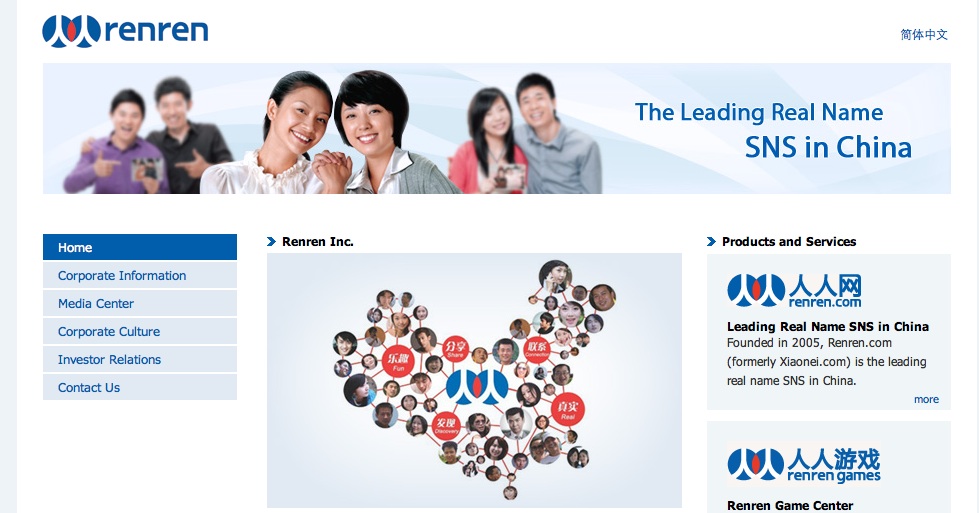
3. RenRen: Spring Creek christens it as “the Facebook of China.” It has 160 million users and has made the leap from college to open network. With a 7-year track record and an IPO, RenRen is a major player in China’s emerging social network scene.
Ad position: web_incontent_pos1
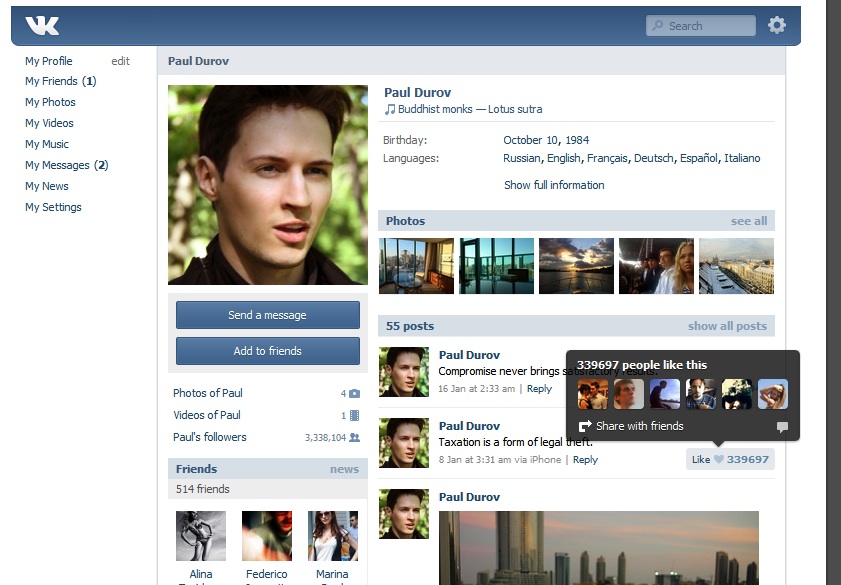
4. Vkontakte: The Facebook for Russia naturally comes with torrent file sharing. It can claim that it’s more popular than Facebook in Russia. Spring Creek notes that it is now available in 67 languages and could be in line for an IPO in 2012.
5. Friendster: It’s alive! Friendster is now a social-gaming platform that has doubled down on its continued popularity in Southeast Asia, where it boasts 115 million users. It has a proven business model with a virtual-currency system. The challenge, as Spring Creek notes, is getting game titles that maintain its legacy base and grow it.

See Spring Creek’s full report here.
More in Media

What publishers are wishing for this holiday season: End AI scraping and determine AI-powered audience value
Publishers want a fair, structured, regulated AI environment and they also want to define what the next decade of audience metrics looks like.

Digiday+ Research Subscription Index 2025: Subscription strategies from Bloomberg, The New York Times, Vox and others
Digiday’s third annual Subscription Index examines and measures publishers’ subscription strategies to identify common approaches and key tactics among Bloomberg, The New York Times, Vox and others.

From lawsuits to lobbying: How publishers are fighting AI
We may be closing out 2025, but publishers aren’t retreating from the battle of AI search — some are escalating it, and they expect the fight to stretch deep into 2026.
Ad position: web_bfu