Save 50% on a 3-month Digiday+ membership. Ends Dec 5.
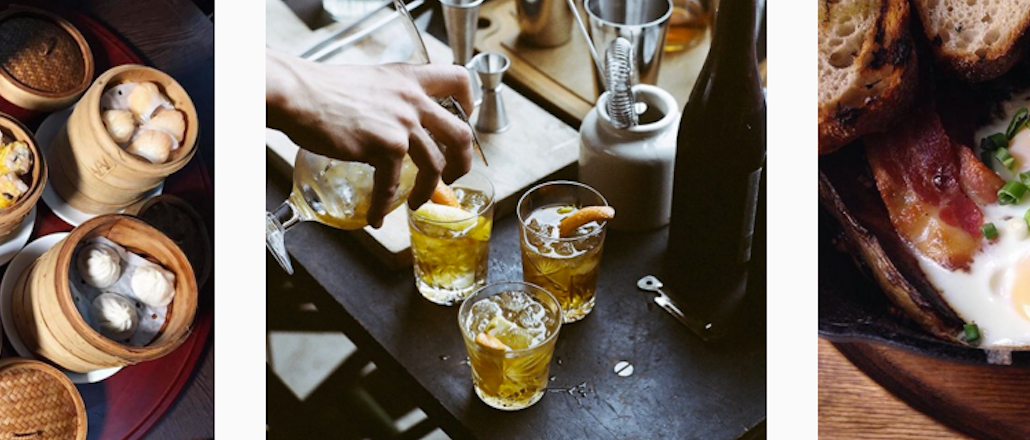
If the sight of a craft cocktail stirs up the need for a stiff drink, Food & Wine has a solution. Alongside its online articles about booze are new “order now” buttons to get alcohol and cocktail ingredients delivered to you in under an hour.
This wonder of the digital age is possible through a partnership Food & Wine struck with on-demand alcohol delivery service Drizly. Food recipes on the site also are shoppable; those are handled by platform Chicory.
Online recipes easily translate to click-to-purchase grocery lists. Condé Nast’s Food Innovation Group, home to Epicurious and Bon Appétit, introduced a function in June with Popcart that turns a recipe into a grocery list and sends it to online grocers like Fresh Direct to handle the fulfillment.
Food & Wine and Drizly claim that their partnership marks the first time a publication has linked on-demand alcohol delivery to content.
“We have a captive audience, and we’re letting them know that you can now have alcohol delivered whenever you want,” said Christina Grdovic, Food & Wine’s publisher. “It also gives readers more value, as well as our advertisers.”
Unlike other content-to-commerce schemes, Food & Wine isn’t getting a cut of Drizly sales. But it could present an attractive sponsorship opportunity for liquor companies, which is useful to parent company Time Inc. as it casts about for ways to offset a decline in its mainstay, print advertising.
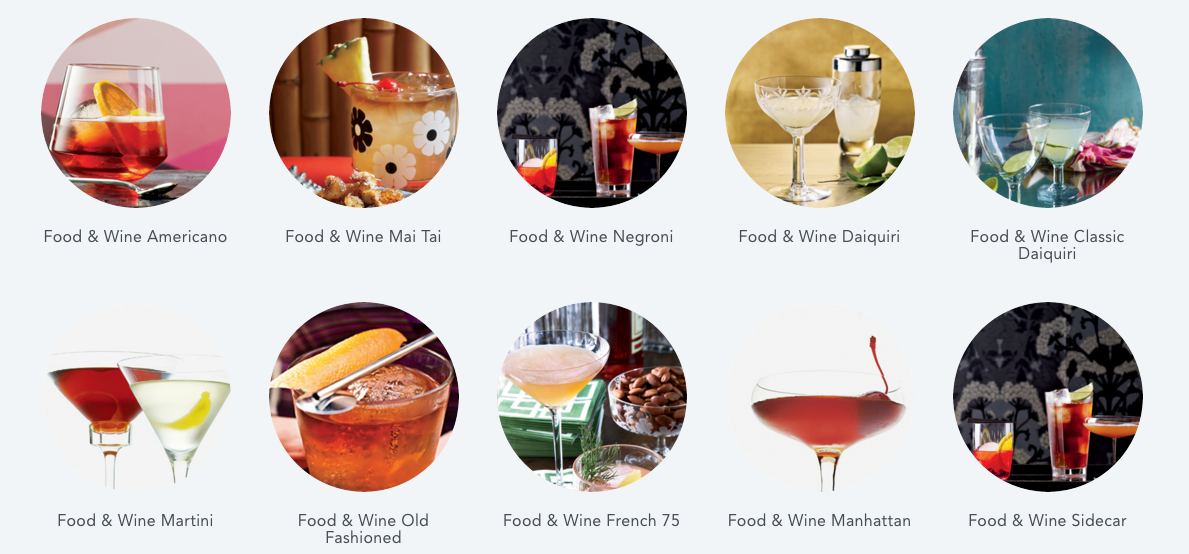
Food & Wine got Appleton Rum to sponsor its site redesign Oct. 21, when the buy buttons rolled out. As part of its sponsorship, Appleton has branded, shoppable cocktail recipes in sponsored articles. Grdovic said that the shoppable recipes will also accompany Food & Wine’s best-of lists, recommendations and articles. Food & Wine also gets promotion on Drizly’s site, where a Food & Wine cocktail “collection” lists all of the recipes in the publication.
Ad position: web_incontent_pos1
Grdovic also hopes the partnership with Drizly will help attract a younger audience than its average reader, who is 48.
For Drizly, co-founder and CEO Nick Rellas said the deal marks the start of a “serious initiative” in connecting e-commerce and publishing.
“Buy buttons are in vogue,” said Rellas. “People are pushing them out for every type of product, but with drinks, it makes sense — this is something you’re usually going to have that night.”
According to Rellas, 80 percent of alcohol purchases are consumed the same day they’re bought, which he believes puts alcohol at an advantage over the grocery category for the click-to-buy purchase decisions motivated by shoppable content. (Although, due to liquor sale laws, shoppable cocktail recipes will require a few, not one, clicks, including one to confirm the buyer of legal age.)
Ad position: web_incontent_pos2
Food & Wine’s digital relaunch included making the site responsive on mobiles, and the on-demand alcohol orders are available on desktop and mobile. Rellas said that while 60 percent of Drizly’s orders happen on mobile, its desktop orders tend to be double the shopping cart size, however.
Grdovic said the plan is to expand Food & Wine video and its Test Kitchen.
Images via Food & Wine, Drizly
More in Media

What publishers are wishing for this holiday season: End AI scraping and determine AI-powered audience value
Publishers want a fair, structured, regulated AI environment and they also want to define what the next decade of audience metrics looks like.

Digiday+ Research Subscription Index 2025: Subscription strategies from Bloomberg, The New York Times, Vox and others
Digiday’s third annual Subscription Index examines and measures publishers’ subscription strategies to identify common approaches and key tactics among Bloomberg, The New York Times, Vox and others.

From lawsuits to lobbying: How publishers are fighting AI
We may be closing out 2025, but publishers aren’t retreating from the battle of AI search — some are escalating it, and they expect the fight to stretch deep into 2026.
Ad position: web_bfu